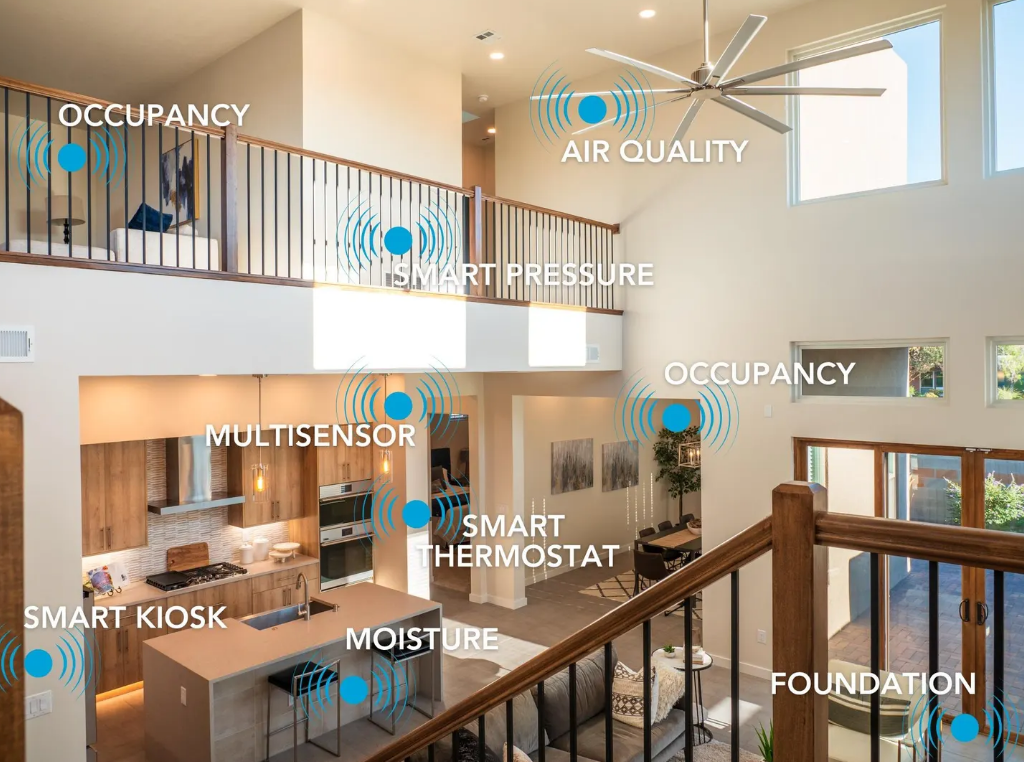
Discover how smart home technology improves convenience, security, and energy efficiency with connected devices that make everyday living smarter and easier.
What Is Smart Home Technology?
Smart home technology refers to internet-connected devices that automate and control various household functions. These devices communicate with one another through wireless networks, allowing users to monitor and manage their homes remotely using smartphones, tablets, or voice assistants.
Smart home systems can control lighting, heating, air conditioning, entertainment systems, appliances, security devices, and much more.
How Smart Homes Work
A smart home relies on connected devices that exchange information through Wi-Fi, Bluetooth, Zigbee, Matter, or other communication protocols. Many devices connect to a central hub or cloud platform where users can manage settings through a mobile application.
For example:
- A smart thermostat adjusts room temperature automatically.
- Smart lights turn on when someone enters a room.
- Security cameras send alerts when motion is detected.
- Smart locks allow homeowners to unlock doors remotely.
Automation allows these devices to work together without requiring constant manual control.
Why Smart Homes Are Becoming More Popular
Several factors have contributed to the rapid growth of smart home technology.
Greater Convenience
Smart devices automate everyday tasks, making daily routines easier and saving valuable time.
Improved Energy Efficiency
Many smart devices monitor energy usage and optimize electricity consumption, helping reduce utility bills.
Better Home Security
Modern smart security systems provide real-time monitoring, instant alerts, remote access, and recorded footage for greater peace of mind.
Remote Control
Users can manage many household functions from anywhere with an internet connection.
Growing Device Compatibility
New industry standards make it easier for products from different manufacturers to work together.
Emerging Trends in Smart Home Technology
The future of smart homes will be shaped by several exciting innovations.
Artificial Intelligence Integration
Artificial intelligence (AI) will make smart homes more intelligent by learning user habits and preferences. Instead of waiting for commands, future systems will anticipate needs and automate tasks based on daily routines.
Examples include:
- Adjusting lighting according to natural daylight.
- Optimizing room temperature automatically.
- Suggesting energy-saving actions.
- Managing household schedules.
Voice Assistants Become Smarter
Voice assistants will continue improving through better natural language understanding. Users will communicate with their homes more naturally, without memorizing specific commands.
Future assistants may also understand context, recognize multiple family members, and provide personalized responses.
Increased Home Automation
Automation will extend beyond individual devices.
Future smart homes may automatically:
- Lock doors when everyone leaves.
- Turn off unused appliances.
- Water gardens based on weather forecasts.
- Adjust window blinds according to sunlight.
- Charge electric vehicles during off-peak electricity hours.
These automated routines reduce manual effort while improving efficiency.
Energy Management Will Improve
Energy efficiency is becoming a major focus for homeowners and governments alike.
Future smart homes will use intelligent systems to monitor electricity consumption in real time. Smart energy management platforms may automatically balance power usage, reduce waste, and integrate renewable energy sources such as solar panels and home battery systems.
This can lower electricity costs while reducing environmental impact.
Enhanced Home Security
Security technology continues to improve rapidly.
Future smart security features may include:
- AI-powered facial recognition.
- Advanced motion detection.
- Smart package monitoring.
- Improved cybersecurity protection.
- Automatic emergency response integration.
These systems aim to make homes safer while minimizing false alarms.
Health and Wellness Features
Smart homes are expected to play a larger role in supporting health and well-being.
Future innovations may include:
- Air quality monitoring.
- Sleep tracking through bedroom sensors.
- Smart lighting that supports healthy sleep cycles.
- Water quality monitoring.
- Fall detection for older adults.
- Indoor climate optimization.
These technologies can help create healthier living environments for families.
The Role of the Internet of Things (IoT)
The Internet of Things (IoT) is the foundation of smart home technology. IoT allows everyday devices to collect data, communicate with one another, and respond automatically.
As more devices become internet-connected, homeowners will enjoy greater automation and more seamless experiences throughout the home.
Benefits of Future Smart Homes
The next generation of smart homes offers numerous advantages.
Increased Comfort
Personalized settings create living spaces that automatically adapt to individual preferences.
Lower Utility Bills
Intelligent energy management reduces unnecessary electricity consumption.
Greater Safety
Advanced monitoring systems provide faster responses to emergencies and security threats.
Time Savings
Automation eliminates many repetitive household tasks.
Improved Accessibility
Smart technologies help older adults and people with disabilities maintain greater independence.
Challenges Facing Smart Homes
Despite rapid progress, several challenges remain.
Privacy Concerns
Connected devices collect significant amounts of data, making privacy an important consideration.
Cybersecurity Risks
As more devices connect to the internet, protecting home networks from cyber threats becomes increasingly important.
Device Compatibility
Although standards continue improving, not every smart device works seamlessly with every platform.
Internet Dependence
Many smart home features require stable internet connections for optimal performance.
Tips for Building a Future-Ready Smart Home
If you’re planning to invest in smart home technology, consider these practical tips.
- Choose devices that support widely adopted standards.
- Secure your home network with strong passwords and encryption.
- Enable automatic software updates.
- Start with essential devices before expanding your system.
- Select products from trusted manufacturers.
- Regularly review privacy and security settings.
- Plan for future expansion by choosing compatible devices.
A thoughtful approach makes upgrading easier as new technologies become available.
Smart Home Technology and Sustainability
Future smart homes will contribute to environmental sustainability.
Advanced systems can:
- Reduce electricity waste.
- Optimize heating and cooling.
- Monitor water consumption.
- Support renewable energy integration.
- Improve overall resource efficiency.
As environmental awareness grows, smart homes will play an increasingly important role in sustainable living.
What to Expect in the Next Decade
Over the next ten years, smart homes are expected to become more intelligent, affordable, and accessible.
Future developments may include:
- Fully integrated AI home assistants.
- Greater use of robotics for household tasks.
- Predictive maintenance for appliances.
- Smarter energy grids.
- Faster connectivity through next-generation networks.
- Improved interoperability between devices.
- More personalized automation based on user behavior.
These innovations will make connected homes more practical for households around the world.
Conclusion
The future of smart home technology is filled with exciting possibilities. Advances in artificial intelligence, automation, energy management, security, and the Internet of Things are transforming how people interact with their living spaces.
As smart devices become more connected and intelligent, homeowners can expect greater convenience, lower energy costs, improved security, and healthier living environments. While challenges such as privacy and cybersecurity remain important, ongoing innovation continues to make smart homes safer, more efficient, and easier to use.
Whether you are just beginning your smart home journey or planning future upgrades, understanding these emerging trends will help you make informed decisions and prepare for the next generation of connected living.
