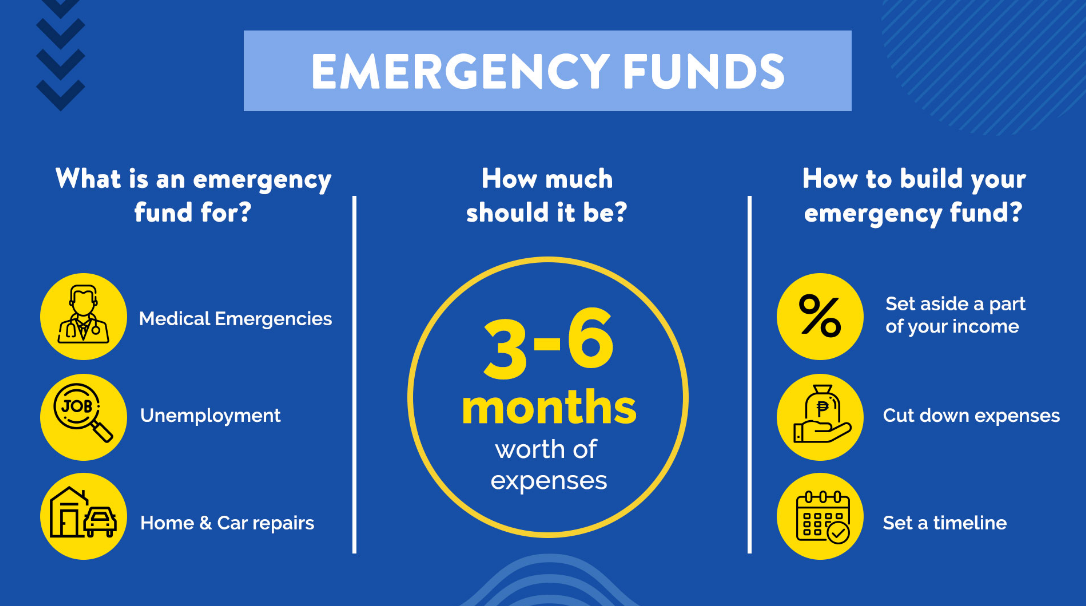
What Is an Emergency Fund?
An emergency fund is money saved specifically for unexpected expenses. Unlike savings for vacations or major purchases, this fund should only be used for genuine emergencies.
Examples include:
- Medical emergencies
- Vehicle repairs
- Home repairs
- Job loss
- Emergency travel
- Unexpected family expenses
Having dedicated emergency savings provides peace of mind and financial security.
Why an Emergency Fund Matters
Unexpected financial problems can happen without warning. Without savings, many people rely on credit cards or loans, which can create long-term debt.
An emergency fund helps you:
- Reduce financial stress
- Avoid high-interest debt
- Protect your monthly budget
- Handle unexpected expenses confidently
- Improve long-term financial stability
Even a small emergency fund can make a significant difference.
Set a Realistic Savings Goal
Building an emergency fund starts with setting an achievable target.
Common savings goals include:
- $500 for beginners
- $1,000 as an initial milestone
- Three to six months of essential living expenses for long-term security
Start with a smaller goal to build momentum before aiming for a larger fund.
Create a Monthly Budget
A budget helps identify how much money you can consistently save.
List your:
- Monthly income
- Fixed expenses
- Variable expenses
- Savings contributions
Tracking your finances makes it easier to find extra money for your emergency fund.
Pay Yourself First
One of the most effective saving strategies is to save before spending.
When you receive your paycheck:
- Transfer a fixed amount directly into savings.
- Treat savings like a required monthly expense.
- Avoid waiting to save what’s left over.
Automating your savings helps build consistency.
Reduce Unnecessary Spending
Small spending habits can significantly affect your ability to save.
Look for areas to reduce expenses, such as:
- Dining out less often
- Canceling unused subscriptions
- Limiting impulse purchases
- Brewing coffee at home
- Shopping with a grocery list
Redirect these savings into your emergency fund.
Increase Your Income
Saving becomes easier when your income grows.
Ways to earn extra money include:
- Freelance work
- Selling unused household items
- Online tutoring
- Pet sitting
- Food delivery services
- Weekend part-time jobs
Use additional income exclusively for emergency savings whenever possible.
Save Windfalls and Bonuses
Unexpected income provides an excellent opportunity to grow your emergency fund quickly.
Examples include:
- Tax refunds
- Work bonuses
- Cash gifts
- Rebates
- Performance incentives
Rather than increasing spending, consider saving most or all of these extra funds.
Open a Dedicated Savings Account
Keeping emergency savings separate from your everyday spending account reduces the temptation to use the money for non-essential purchases.
A dedicated savings account also helps you:
- Track your progress
- Stay organized
- Build saving discipline
- Earn interest in some cases
Choose an account that offers easy access during emergencies while keeping your funds secure.
Automate Your Savings
Automatic transfers remove the need to remember monthly deposits.
Benefits include:
- Consistent saving habits
- Reduced temptation to spend
- Faster progress
- Less financial stress
Even small automatic contributions can grow into a substantial emergency fund over time.
Avoid Using the Fund for Non-Emergencies
Your emergency fund should only be used for genuine financial emergencies.
Avoid spending it on:
- Vacations
- Holiday shopping
- Entertainment
- Luxury purchases
- Everyday expenses that can be planned
Protecting the fund ensures it’s available when you truly need it.
Track Your Progress
Monitoring your savings keeps you motivated.
You can:
- Set monthly milestones
- Use a budgeting app
- Maintain a savings spreadsheet
- Celebrate reaching each goal
Seeing your balance grow encourages continued saving.
Review and Adjust Your Goal
As your income and expenses change, your emergency fund should grow as well.
Review your savings at least once a year and adjust your target if:
- Your monthly expenses increase.
- You change jobs.
- Your family grows.
- Your financial responsibilities change.
Updating your goal helps maintain adequate financial protection.
Common Mistakes to Avoid
Many beginners slow their progress by making avoidable mistakes.
Avoid these common errors:
- Waiting until the end of the month to save
- Keeping savings in a checking account
- Spending emergency funds on non-essential items
- Ignoring small daily expenses
- Not tracking financial progress
Developing disciplined habits makes saving much easier.
Tips to Build an Emergency Fund Faster
Here are practical ways to accelerate your savings:
- Set automatic monthly transfers.
- Reduce unnecessary subscriptions.
- Cook more meals at home.
- Sell items you no longer use.
- Save bonuses and tax refunds.
- Increase freelance or side income.
- Limit impulse purchases.
- Review your budget regularly.
Small changes practiced consistently can produce significant results.
Benefits of Having an Emergency Fund
Building an emergency fund offers long-term advantages, including:
- Greater financial confidence
- Reduced reliance on credit cards
- Better preparedness for unexpected events
- Lower financial stress
- Improved money management habits
- Increased financial independence
These benefits make emergency savings one of the smartest financial priorities.
Conclusion
Building an emergency fund quickly is achievable with careful planning, disciplined saving, and consistent effort. By creating a realistic budget, reducing unnecessary expenses, increasing your income, and automating your savings, you can build financial security faster than you might expect.
Remember that every contribution counts, no matter how small. The sooner you begin saving, the sooner you’ll have the confidence and peace of mind that comes from knowing you’re prepared for life’s unexpected expenses. An emergency fund is not just money in a savings account—it’s a foundation for long-term financial stability and resilience.
