Learn how inflation affects your daily budget and discover practical tips to manage rising costs, protect your savings, and improve your financial stability.
What Is Inflation?
Inflation is the gradual increase in the prices of goods and services over time. As prices rise, the purchasing power of your money decreases.
For example, if a loaf of bread costs $2 today and inflation causes the price to increase to $2.20 next year, the same amount of money buys less than before.
A moderate level of inflation is considered normal in a growing economy, but high inflation can significantly affect household finances.
Why Does Inflation Happen?
Several factors can contribute to inflation, including:
- Increased demand for goods and services
- Higher production and transportation costs
- Supply chain disruptions
- Rising wages
- Changes in government policies
- Global economic events
These factors can work individually or together to push prices higher.
How Inflation Impacts Your Daily Budget
1. Higher Grocery Bills
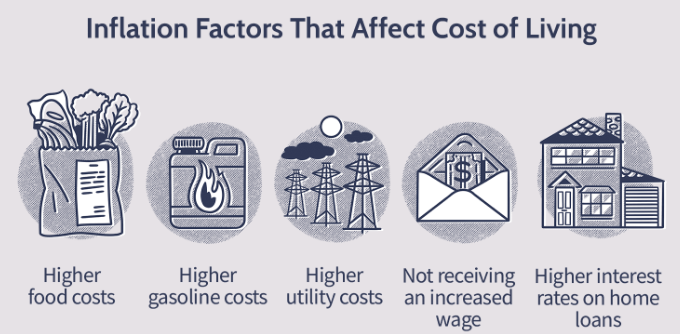
Food prices are often among the first expenses people notice during periods of inflation.
Common items such as vegetables, meat, dairy products, and household essentials may become more expensive, increasing your monthly grocery budget.
How to Adapt:
- Plan meals in advance.
- Buy seasonal produce.
- Compare prices between stores.
- Purchase non-perishable items in bulk when appropriate.
- Reduce food waste.
2. Increased Housing Costs
Inflation can lead to higher rent, mortgage-related expenses, maintenance costs, and utility bills.
For homeowners, building materials and repair services may also become more expensive.
Budget Tip:
Review your monthly housing expenses regularly and look for opportunities to reduce energy consumption or negotiate service costs where possible.
3. Rising Transportation Expenses
Fuel prices often fluctuate during inflationary periods. Public transportation fares, vehicle maintenance, and insurance costs may also increase.
To manage transportation costs:
- Combine errands into one trip.
- Use public transportation when practical.
- Maintain your vehicle regularly to improve fuel efficiency.
- Consider carpooling when possible.
4. More Expensive Utilities
Electricity, gas, water, and internet services may gradually become more expensive.
Small changes can help reduce utility costs:
- Turn off unused lights.
- Use energy-efficient appliances.
- Adjust heating and cooling settings.
- Repair water leaks promptly.
5. Healthcare Costs
Medical services, prescription medications, and health insurance premiums may rise over time due to inflation.
Preparing for healthcare expenses by maintaining emergency savings can help reduce financial stress.
6. Entertainment and Lifestyle Spending
Dining out, travel, streaming services, and recreational activities often become more expensive during inflation.
This doesn’t mean eliminating enjoyment—it means prioritizing spending.
Consider:
- Looking for discounts.
- Choosing free local activities.
- Reviewing monthly subscriptions.
- Setting a separate entertainment budget.
How Inflation Affects Savings
Inflation doesn’t only increase spending—it also reduces the purchasing power of money kept in low-interest savings accounts.
For example, if your savings earn 2% annually while inflation is 4%, your money loses purchasing power over time.
This is one reason many people include investments as part of their long-term financial strategy.
How Inflation Influences Debt
Inflation affects different types of debt in different ways.
Fixed-Rate Loans
Monthly payments generally remain unchanged, making them easier to budget despite rising prices.
Variable-Rate Loans
Interest rates may increase, leading to higher monthly payments.
Understanding your loan terms helps you prepare for changing economic conditions.
Practical Ways to Protect Your Budget
Create a Flexible Budget
Rather than setting fixed spending limits indefinitely, review your budget regularly and adjust for changing prices.
Track expenses each month to identify areas where costs have increased.
Build an Emergency Fund
An emergency fund provides financial security when unexpected expenses occur or prices rise faster than expected.
Many financial experts recommend saving enough to cover three to six months of essential expenses.
Reduce Unnecessary Spending
Review discretionary expenses and determine which purchases add the most value to your life.
Small reductions can create meaningful savings over time.
Shop More Strategically
Smart shopping habits include:
- Comparing prices
- Using coupons
- Buying store brands
- Taking advantage of seasonal sales
- Purchasing durable items when discounted
Increase Your Income
If possible, consider ways to supplement your income, such as:
- Freelance work
- Part-time employment
- Selling unused items
- Developing new professional skills
Additional income can help offset rising living costs.
Continue Investing for Long-Term Goals
While inflation can affect markets in the short term, long-term investing has historically helped many individuals grow wealth over time.
Investing should always align with your financial goals and risk tolerance.
Common Mistakes During Inflation
Avoid these common financial mistakes:
- Panic buying
- Ignoring your budget
- Relying heavily on credit cards
- Stopping all savings contributions
- Making emotional investment decisions
- Failing to compare prices
Staying disciplined often leads to better financial outcomes.
Frequently Asked Questions
Is inflation always bad?
Not necessarily. Moderate inflation is a normal part of economic growth. However, rapid inflation can reduce purchasing power and increase living expenses.
Can inflation reduce my savings?
Yes. If your savings grow more slowly than inflation, your money’s purchasing power declines over time.
Should I stop investing during inflation?
Investment decisions should be based on your long-term financial goals rather than short-term market conditions. Consider seeking professional advice if you’re unsure.
How often should I review my budget?
Reviewing your budget monthly helps you adjust to changing prices and maintain better control of your finances.
Conclusion
Inflation affects nearly every aspect of daily life, from grocery shopping and transportation to housing and healthcare. While rising prices can strain your budget, careful planning and smart financial habits can help you stay in control.
By creating a flexible budget, building emergency savings, reducing unnecessary expenses, shopping wisely, and focusing on long-term financial goals, you can better manage the effects of inflation. Staying informed and adapting your financial strategy over time will help you maintain stability, regardless of changing economic conditions.
