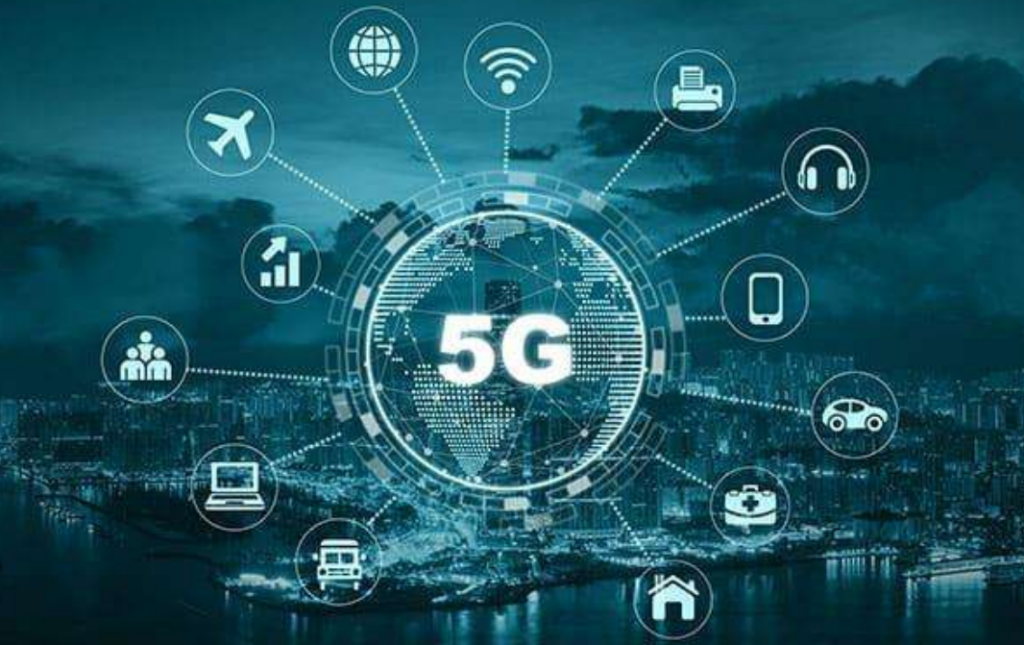
The rollout of 5G technology is reshaping the way people connect, communicate, and interact with the digital world. As the fifth generation of mobile networks, 5G offers significantly faster speeds, lower latency, and greater capacity than previous generations. These improvements are not only enhancing mobile experiences but also driving innovation across industries worldwide.
From smart cities and autonomous vehicles to remote healthcare and advanced manufacturing, 5G is becoming the foundation of a more connected and efficient future.
What Is 5G?
5G is the latest wireless communication standard designed to deliver high-speed internet with minimal delays. Compared to 4G networks, 5G can support a much larger number of connected devices while maintaining reliable performance.
Key features of 5G include:
- Ultra-fast download and upload speeds
- Low latency for real-time communication
- Higher network capacity
- Improved reliability
- Better energy efficiency for connected devices
These capabilities make 5G an essential technology for the next generation of digital services.
Faster Internet Speeds
One of the biggest advantages of 5G is its remarkable speed. Users can download large files, stream ultra-high-definition videos, and participate in online meetings with minimal buffering.
Benefits include:
- Faster app downloads
- Seamless 4K and 8K video streaming
- Improved cloud gaming
- Quicker software updates
- Enhanced video conferencing
These improvements create a smoother and more enjoyable online experience.
Lower Latency for Real-Time Applications
Latency refers to the delay between sending and receiving data. While 4G networks typically have latency around 30–50 milliseconds, 5G can reduce this to under 10 milliseconds in many situations.
Lower latency enables:
- Online gaming with faster response times
- Remote-controlled machinery
- Virtual reality experiences
- Augmented reality applications
- Autonomous vehicle communication
This near-instant communication opens opportunities that were previously impossible.
Empowering the Internet of Things (IoT)
The Internet of Things (IoT) connects billions of devices through the internet. Smart homes, wearable technology, industrial sensors, and connected appliances all rely on stable network connections.
5G supports massive numbers of connected devices simultaneously, making it ideal for IoT ecosystems.
Examples include:
- Smart lighting systems
- Connected security cameras
- Smart energy management
- Agricultural monitoring sensors
- Industrial automation
As IoT expands, 5G provides the infrastructure needed to support continuous communication.
Revolutionizing Healthcare
Healthcare is one of the industries benefiting greatly from 5G technology.
Medical professionals can now:
- Conduct high-quality telemedicine consultations
- Monitor patients remotely
- Access medical records instantly
- Use wearable health devices more effectively
- Improve emergency response communication
In the future, faster and more reliable networks could also support advanced remote medical procedures.
Supporting Smart Cities
Cities around the world are investing in smart infrastructure to improve public services and reduce environmental impact.
5G enables:
- Smart traffic management
- Intelligent public transportation
- Connected surveillance systems
- Efficient waste management
- Real-time environmental monitoring
These technologies help cities become safer, cleaner, and more efficient.
Transforming Transportation
Modern transportation increasingly depends on reliable digital communication.
With 5G, transportation systems can benefit from:
- Vehicle-to-vehicle communication
- Smart traffic signals
- Real-time navigation updates
- Fleet management
- Connected logistics
These improvements can enhance road safety while reducing congestion.
Enhancing Business Operations
Businesses are using 5G to improve productivity and support digital transformation.
Benefits for organizations include:
- Faster cloud computing access
- Improved remote collaboration
- Better video conferencing
- Enhanced cybersecurity monitoring
- More reliable data sharing
Companies adopting 5G can streamline operations and improve customer experiences.
Improving Manufacturing
Manufacturers are embracing Industry 4.0 technologies powered by 5G.
Applications include:
- Automated production lines
- Predictive equipment maintenance
- Robotics
- Real-time quality inspection
- Digital twins
These innovations help increase efficiency while reducing downtime and operational costs.
Expanding Educational Opportunities
Education is becoming more interactive thanks to faster internet connections.
5G supports:
- High-quality virtual classrooms
- Interactive online learning
- Virtual laboratories
- Remote collaboration
- Educational virtual reality experiences
Students and educators benefit from more engaging and accessible learning environments.
Challenges of 5G Deployment
Although 5G offers many advantages, global implementation still faces several challenges.
These include:
- High infrastructure costs
- Limited coverage in rural areas
- Spectrum allocation issues
- Device compatibility
- Security and privacy concerns
Governments, network providers, and technology companies continue working together to overcome these obstacles.
The Future of Global Connectivity
As 5G networks continue expanding, new innovations will emerge across nearly every industry. Artificial intelligence, edge computing, smart robotics, and connected devices will increasingly rely on high-speed, low-latency networks.
Future developments may include:
- Fully autonomous transportation
- Smarter healthcare systems
- Advanced industrial automation
- More immersive virtual experiences
- Expanded smart city infrastructure
The widespread adoption of 5G will play a major role in building a more connected global economy.
Tips for Consumers
To make the most of 5G technology:
- Choose a 5G-compatible smartphone.
- Check local carrier coverage before upgrading.
- Keep your device software updated.
- Use secure networks when handling sensitive information.
- Select a mobile plan that matches your data needs.
These simple steps can help you enjoy the full benefits of next-generation connectivity.
Conclusion
5G is far more than just a faster mobile network. It represents a significant advancement in global connectivity, enabling smarter cities, more efficient businesses, improved healthcare, and innovative digital experiences. As coverage continues to expand worldwide, individuals and organizations alike will benefit from the speed, reliability, and capacity that 5G provides.
The future of connectivity is being shaped today, and 5G is leading the way toward a more intelligent, connected, and digitally empowered world.
