What Is Financial Planning?
Financial planning is the process of evaluating your current financial situation, setting realistic goals, and creating a roadmap to achieve them. It involves managing income, expenses, savings, investments, insurance, and long-term objectives.
A well-designed financial plan helps you:
- Control spending
- Build savings
- Prepare for emergencies
- Reduce debt
- Grow wealth over time
- Plan for retirement
- Achieve major life goals
Financial planning isn’t about becoming rich overnight—it’s about making smart decisions consistently.
Why Financial Planning Matters
Without a plan, it’s easy to overspend, accumulate unnecessary debt, or miss important financial opportunities. A financial plan provides direction and helps you prioritize what matters most.
Some key benefits include:
- Greater financial security
- Better money management
- Reduced financial stress
- Improved decision-making
- Increased confidence about the future
Even small improvements today can lead to significant financial gains over the years.
1. Set Clear Financial Goals
Every successful financial plan begins with clear goals. Ask yourself what you want to achieve over the next few months, years, and decades.
Examples include:
Short-Term Goals
- Build an emergency fund
- Pay off credit card debt
- Save for a vacation
Medium-Term Goals
- Buy a car
- Save for a home down payment
- Start a business
Long-Term Goals
- Retirement savings
- Children’s education
- Financial independence
Make your goals specific, measurable, achievable, realistic, and time-bound (SMART).
2. Create a Monthly Budget
A budget is the foundation of financial planning. It shows where your money comes from and where it goes.
A simple budgeting process includes:
- Listing all income sources
- Tracking monthly expenses
- Categorizing spending
- Identifying unnecessary expenses
- Allocating money toward savings
Many people use the 50/30/20 rule:
- 50% for necessities
- 30% for personal wants
- 20% for savings and debt repayment
Adjust these percentages based on your financial situation.
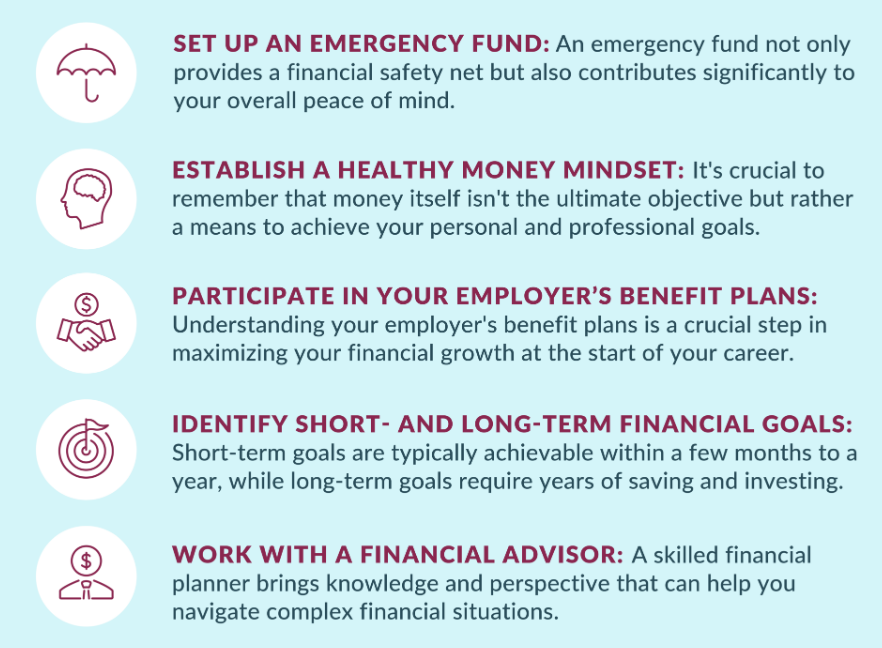
3. Build an Emergency Fund
Unexpected expenses can happen at any time. Medical bills, job loss, or major repairs can quickly become financial burdens.
Aim to save enough to cover three to six months of living expenses.
Keep your emergency fund:
- Easily accessible
- Separate from daily spending
- Reserved only for genuine emergencies
Start small if necessary. Even saving a little each month makes a difference.
4. Manage Debt Wisely
Not all debt is harmful, but high-interest debt can slow your financial progress.
Focus on:
- Paying bills on time
- Reducing high-interest balances first
- Avoiding unnecessary borrowing
- Making more than the minimum payment whenever possible
Lower debt means more money available for saving and investing.
5. Save Consistently
Saving should become a regular habit rather than something you do only when money is left over.
Helpful saving strategies include:
- Automating transfers to savings
- Increasing savings after each raise
- Cutting unnecessary subscriptions
- Setting savings milestones
Consistency is often more important than the amount you save initially.
6. Start Investing Early
Investing allows your money to grow through compound returns over time.
Common investment options include:
- Stocks
- Bonds
- Mutual funds
- Index funds
- Exchange-traded funds (ETFs)
- Retirement accounts
Starting early gives your investments more time to grow, even if you begin with modest contributions.
7. Protect Yourself with Insurance
Financial planning also includes protecting your income and assets.
Depending on your needs, consider:
- Health insurance
- Life insurance
- Home insurance
- Auto insurance
- Disability insurance
The right coverage can prevent unexpected events from disrupting your financial stability.
8. Plan for Retirement
Retirement planning should begin as early as possible.
Consider:
- Estimating future retirement expenses
- Contributing regularly to retirement accounts
- Increasing contributions over time
- Reviewing investment allocations periodically
Small contributions made consistently can accumulate into substantial retirement savings.
9. Review Your Financial Plan Regularly
Life changes, and your financial plan should change with it.
Review your plan when:
- Your income changes
- You get married
- You have children
- You buy a home
- You change careers
- You approach retirement
An annual review helps keep your financial goals aligned with your current situation.
10. Continue Learning About Personal Finance
Financial knowledge is one of the best investments you can make.
Ways to improve your understanding include:
- Reading personal finance books
- Following reputable financial websites
- Listening to finance podcasts
- Taking online courses
- Learning basic investing principles
The more informed you become, the better your financial decisions will be.
Common Financial Planning Mistakes
Avoid these frequent mistakes:
- Living beyond your means
- Ignoring a budget
- Not saving for emergencies
- Carrying high-interest debt
- Delaying investing
- Forgetting retirement planning
- Making emotional financial decisions
- Failing to review financial goals
Recognizing these pitfalls early can save you significant money over time.
Practical Financial Planning Checklist
Use this checklist to strengthen your financial plan:
- Define clear financial goals.
- Create and follow a realistic budget.
- Build an emergency fund.
- Reduce high-interest debt.
- Save consistently every month.
- Invest for long-term growth.
- Maintain appropriate insurance coverage.
- Plan for retirement early.
- Review your finances at least once a year.
- Continue expanding your financial knowledge.
Conclusion
Effective financial planning is not about perfection—it is about making intentional decisions that support your long-term goals. By setting clear objectives, budgeting wisely, building savings, managing debt, investing consistently, and reviewing your progress regularly, you can create a stronger financial future.
The best time to begin financial planning is today. Every positive financial decision, no matter how small, brings you one step closer to greater stability, confidence, and long-term success.
