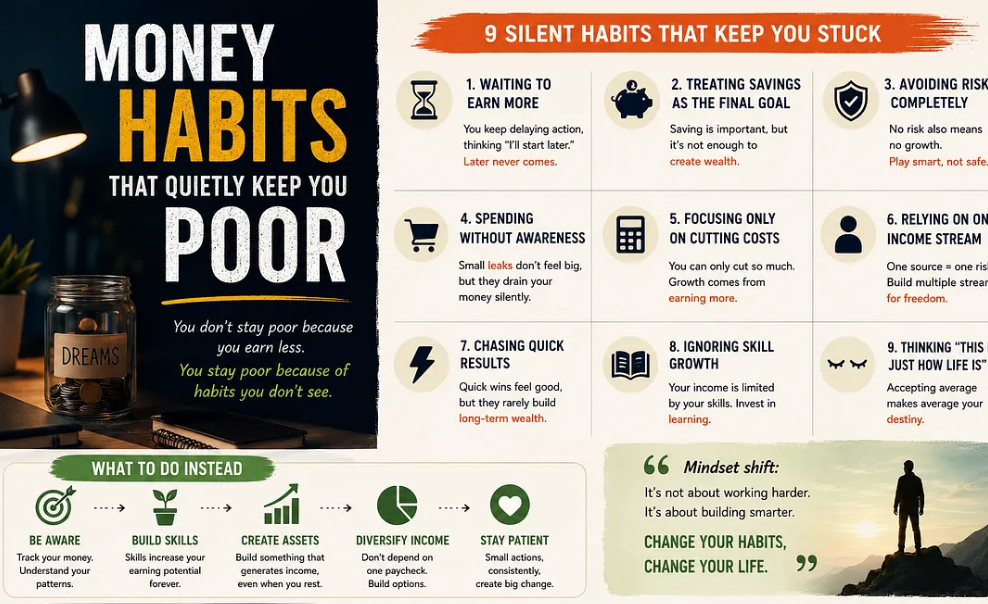
Learn the best money saving habits everyone should learn to reduce expenses, build financial security, and achieve long-term financial goals.
Why Money Saving Habits Matter
Saving money is about more than simply setting aside extra cash. It creates financial stability, gives you confidence during unexpected situations, and helps you plan for future goals such as buying a home, traveling, starting a business, or retiring comfortably.
Benefits of good saving habits include:
- Better financial security
- Reduced financial stress
- Less reliance on debt
- Increased financial independence
- Greater flexibility when opportunities arise
1. Create a Monthly Budget
A budget is the foundation of successful money management. Knowing exactly where your income goes each month helps identify unnecessary expenses and areas where you can save more.
A simple budget should include:
- Income
- Housing costs
- Food expenses
- Transportation
- Utilities
- Savings
- Entertainment
- Miscellaneous spending
Review your budget regularly and adjust it whenever your financial situation changes.
2. Pay Yourself First
One of the most effective saving strategies is paying yourself before spending money on anything else.
As soon as you receive your salary or income:
- Transfer a percentage into savings.
- Treat savings as a mandatory expense.
- Spend only what’s left after saving.
Even saving 10–20% consistently can make a significant difference over time.
3. Build an Emergency Fund
Unexpected expenses happen to everyone.
Examples include:
- Medical bills
- Car repairs
- Home maintenance
- Job loss
- Family emergencies
Financial experts often recommend saving three to six months of living expenses in an easily accessible emergency fund.
4. Track Every Expense
Many people underestimate how much they spend on small daily purchases.
Tracking expenses helps you identify spending patterns and unnecessary purchases.
Popular categories include:
- Coffee
- Dining out
- Online shopping
- Subscriptions
- Transportation
- Entertainment
Even small savings add up over months and years.
5. Avoid Impulse Buying
Impulse purchases are one of the biggest obstacles to saving money.
Before buying something, ask yourself:
- Do I really need this?
- Can I wait a few days?
- Is there a cheaper alternative?
- Will I still want this next week?
Using a 24-hour or 30-day waiting rule for larger purchases often prevents unnecessary spending.
6. Cook More Meals at Home
Eating out frequently can consume a large portion of your monthly budget.
Preparing meals at home offers several advantages:
- Lower food costs
- Healthier eating
- Better portion control
- Reduced food waste
Meal planning can also help minimize grocery expenses.
7. Eliminate Unused Subscriptions
Many people pay for services they rarely use.
Review subscriptions such as:
- Streaming platforms
- Music services
- Fitness memberships
- Mobile apps
- Software subscriptions
Cancel those that no longer provide value.
8. Compare Prices Before Buying
Never rush into major purchases.
Before buying:
- Compare prices from different retailers.
- Look for discounts and promotions.
- Read customer reviews.
- Consider refurbished or second-hand items when appropriate.
A few minutes of research can save a considerable amount of money.
9. Use Cash-Back and Rewards Responsibly
Cash-back programs and reward points can provide additional savings if used wisely.
However:
- Never overspend simply to earn rewards.
- Always pay credit card balances in full.
- Focus on purchases you already planned to make.
Responsible use of rewards complements good saving habits.
10. Set Clear Financial Goals
Saving becomes easier when you know what you’re working toward.
Examples of financial goals include:
- Emergency fund
- Vacation
- New vehicle
- Home purchase
- Education
- Retirement
- Business startup
Break larger goals into smaller monthly targets to stay motivated.
11. Reduce Energy Consumption
Lower utility bills contribute to long-term savings.
Simple ways include:
- Turning off unused lights
- Using energy-efficient appliances
- Reducing water waste
- Adjusting thermostat settings
- Unplugging unused electronics
These small changes can noticeably reduce monthly expenses.
12. Avoid Lifestyle Inflation
As income increases, many people immediately increase spending.
Instead:
- Continue living below your means.
- Increase your savings rate.
- Invest additional income.
- Avoid unnecessary luxury purchases.
Maintaining modest spending while income grows accelerates wealth building.
13. Shop with a List
Whether shopping online or in-store, always create a list before making purchases.
A shopping list helps you:
- Stay focused
- Avoid impulse buying
- Save time
- Reduce overspending
Stick to your planned purchases whenever possible.
14. Save Windfalls
Unexpected income provides an excellent opportunity to improve your financial position.
Examples include:
- Tax refunds
- Bonuses
- Cash gifts
- Freelance income
- Investment gains
Consider saving a large portion instead of spending it immediately.
15. Review Your Finances Regularly
Good financial habits require consistent attention.
Each month:
- Review your savings progress.
- Evaluate spending.
- Update your budget.
- Set new goals.
- Celebrate milestones.
Regular financial checkups help you stay on track.
Common Money Saving Mistakes
Avoid these common mistakes:
- Living beyond your means
- Ignoring your budget
- Carrying high-interest debt
- Not saving for emergencies
- Shopping emotionally
- Failing to compare prices
- Delaying financial planning
Recognizing these habits early can improve your financial future.
Tips for Staying Motivated
Saving money is a long-term journey. Keep yourself motivated by:
- Tracking your progress visually.
- Celebrating small achievements.
- Remembering your financial goals.
- Learning continuously about personal finance.
- Surrounding yourself with positive financial influences.
Consistency matters more than perfection.
Final Thoughts
Developing strong money-saving habits doesn’t require a high income—it requires discipline, consistency, and thoughtful financial decisions. By creating a budget, saving before spending, avoiding unnecessary purchases, and regularly reviewing your finances, you can build lasting financial security.
Remember that successful saving isn’t about depriving yourself of everything you enjoy. It’s about making intentional choices that align with your long-term goals. Start with one or two habits today, and gradually incorporate more into your routine. Over time, these simple practices can lead to greater financial confidence, reduced stress, and a more secure future.
